
Shopping Cart

HAKD INSIGHTS

How Modern Life Is Disrupting Sleep (And What It’s Doing to Us)

Before the invention of artificial light and the rise of 24/7 work schedules, humans naturally followed the rhythm of the sun. Modern sleep habits, however, are shaped by screens, stress, and round-the-clock connectivity.

Ancient Sleep Patterns: How Our Ancestors Slept Naturally

Before electricity, humans relied on the natural light-dark cycle. Anthropological evidence suggests many pre-industrial societies practised biphasic sleep, which means sleeping in two segments:

  • First sleep (or “dead sleep”) – occurs shortly after dusk.
  • Second sleep – happening after a period of wakefulness in the middle of the night, often used for quiet activities such as reading, prayer, or even socialising (1). Hunter-gatherers also adapted sleep based on seasons, safety, and predators, resting only when conditions were secure (2).

Pre-industrial humans sleeping in natural conditions, illustrating ancient biphasic sleep patterns based on sunrise and sunset

The Industrial Revolution and the Shift to Monophasic Sleep

The Industrial Revolution (18th–19th century) changed everything. Factory schedules and artificial lighting forced a shift to monophasic sleep – a single, uninterrupted sleep period. Gas lamps and electric bulbs extended work hours, reducing reliance on natural daylight (3).

This shift led to:

  • Shorter sleep durations due to early work shifts.
  • Increased night-time activity, leading to later bedtimes.
  • Disrupted natural circadian rhythms, as people were no longer dictated by the sun.


By the early 20th century, monophasic sleep had become the dominant sleep pattern in Western
society.

Industrial Revolution factory workers and artificial lighting contributing to shift from biphasic to monophasic sleep patterns

The Digital Age: Disrupting Sleep in New Ways

Fast forward to today, and technology and lifestyle pressures pose new threats to healthy sleep.
Below are some of the biggest disruptors:

1. Artificial Light and Blue Light Exposure

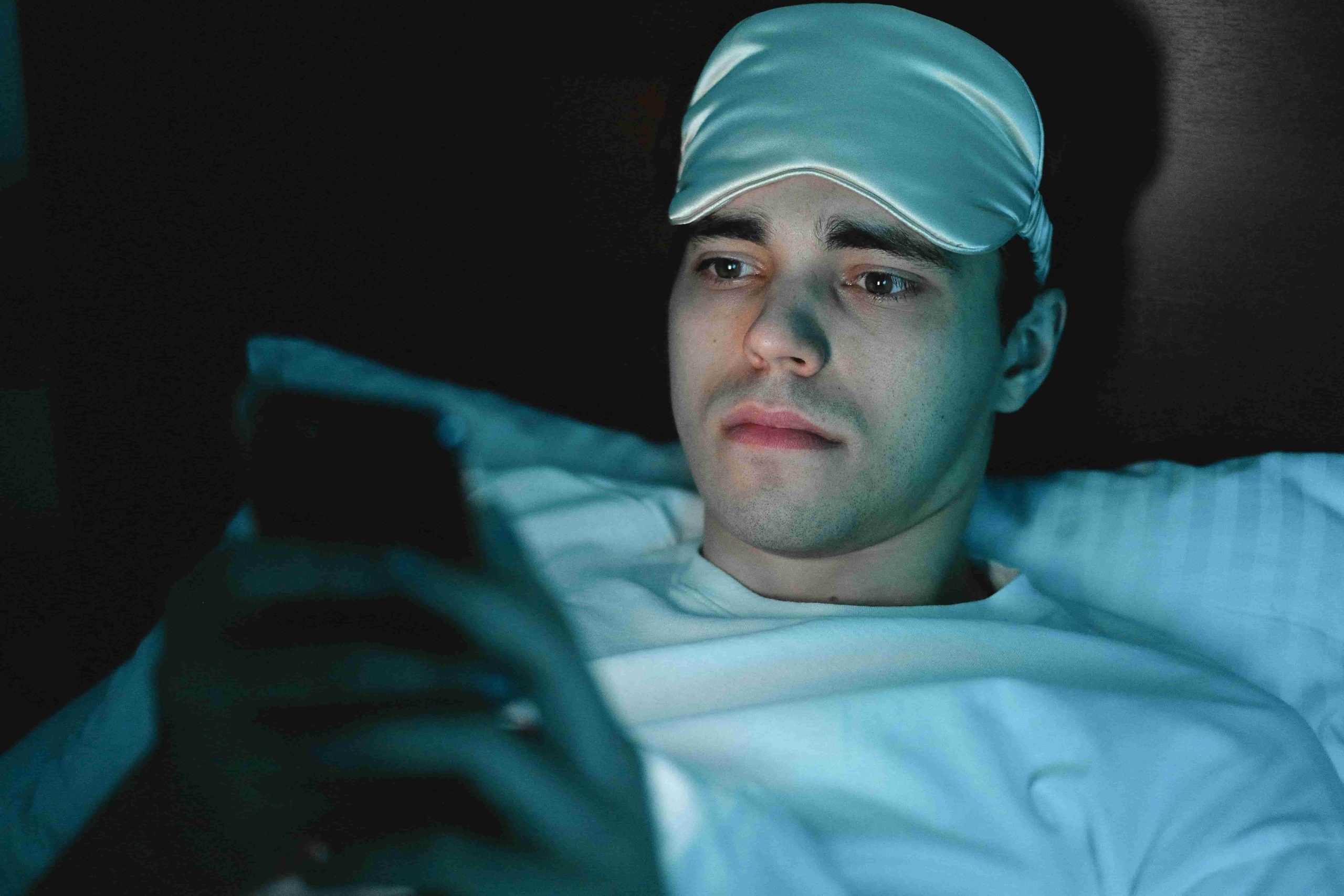
Constant exposure to LED lighting and digital screens suppresses melatonin, making it harder to fall asleep. The 24-hour light environment has misaligned our circadian rhythms (4).

2. The Rise of Sleep Debt

Busy schedules and chronic stress lead to sleep deprivation, accumulating “sleep debt” that negatively affects cognitive performance, mood, and long-term health (5).

3. Social Media and Constant Connectivity

Late-night scrolling, FOMO, and smartphone notifications delay bedtimes and lead to more fragmented rest (6).
Blue Light affects deep sleep scaled

4. Increased Stress and Anxiety

Fast-paced lifestyles, work-related stress, and economic pressures keep the brain in a heightened state of alertness, making it harder to wind down for deep sleep (5).

What Are Modern Sleep Habits And Why Are They a Problem?

Modern sleep habits are shaped by artificial light, constant connectivity, irregular schedules, and chronic stress. Unlike our ancestors, who slept in alignment with daylight and darkness, many people today delay sleep, wake abruptly with alarms, and expose their brains to stimulating content late into the night.

These habits disrupt the circadian rhythm – the internal clock that regulates sleep, hormone release, metabolism, and mood. Over time, this misalignment leads to shorter sleep duration, lighter sleep, and reduced time spent in deep and REM sleep.

Research links modern sleep habits to:

  • Increased daytime fatigue and brain fog

  • Poor emotional regulation and higher anxiety

  • Impaired metabolic and cardiovascular health

  • Reduced recovery and immune function

In short, modern sleep habits don’t fail because people are lazy – they fail because modern life works against our biology.

How to Reclaim Healthy Sleep in a Modern World

Modern life doesn’t make it easy, but you can improve sleep quality with simple adjustments. For tips on building a full bedtime routine, see: How to Build a Better Nighttime Routine for Deep, Restorative Sleep.

Here are a few simple tips to get you started:

1. Limit Blue Light Exposure

2. Create a Consistent Sleep Schedule

  • Go to bed and wake up at the same time daily – even on weekends.
  • Aim for 7–9 hours of sleep.

3. Optimise Your Sleep Environment

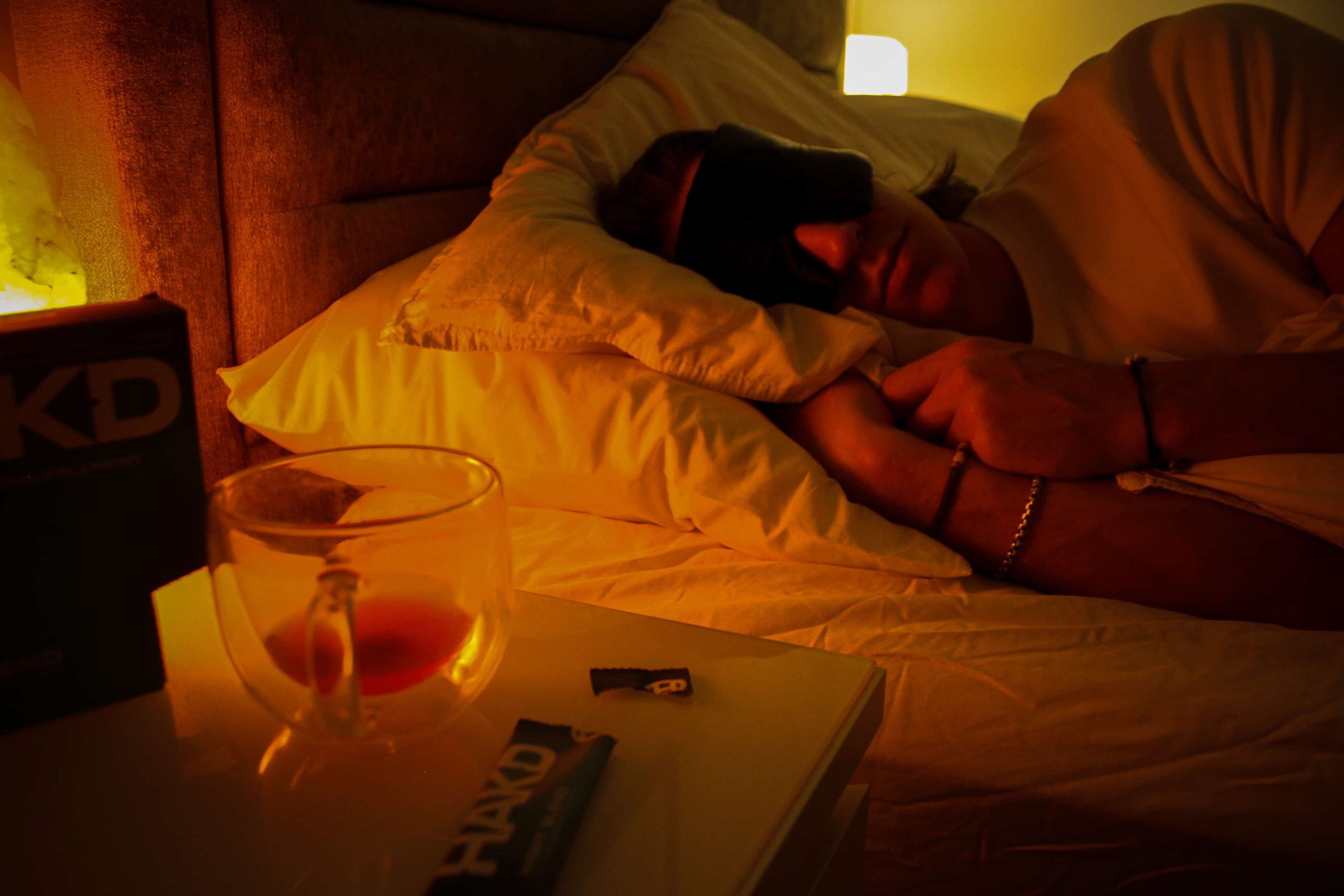
  • Keep your bedroom cool, dark, and quiet using blackout blinds, the HAKD Health Sleep Mask, or earplugs
  • Invest in a comfortable mattress and pillows.

4. Manage Stress Before Bed

  • Practice relaxation techniques like meditation, deep breathing, or journaling.
  • Avoid stimulating activities close to bedtime.

5. Get Natural Light in the Morning

  • Spend time outside in natural daylight each morning.
  • Engage in daily physical activity to regulate sleep cycles.

6. Consider a Natural Sleep Supplement

HAKD Health Night Blend combines 15 science-backed ingredients to help you fall asleep faster,
increase deep sleep, and wake up refreshed.
Buy Night Blend Now

HAKD HEALTH Night Blend Sleep 1 scaled

Final Thoughts: Align Modern Life with Your Sleep Biology

Sleep has evolved dramatically, but its importance remains unchanged. By aligning modern habits with natural sleep biology, we can reclaim restorative rest and optimise health.

Struggling with modern sleep disruptions?

Explore HAKD HEALTH’s sleep solution – Night Blend to help you optimise your rest and wake up feeling refreshed.

References:

  • (6) Pirdehghan, Azar et , (2021). “Social Media Use and Sleep Disturbance among Adolescents: A Cross-Sectional Study.” Iranian journal of psychiatry (16)2, 137-145. https://doi.org/10.18502/ijps.v16i2.5814
Sleep Science // Episode 5
Deep Sleep

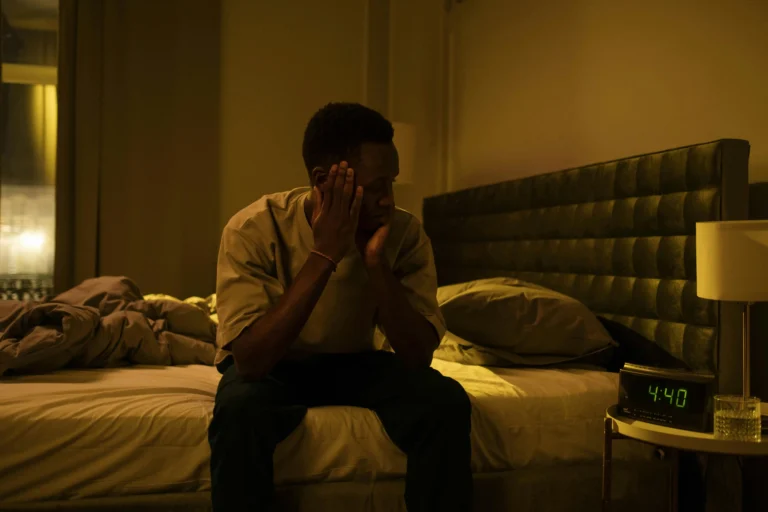
Deep sleep is where real recovery happens.
Not just rest - repair.

This is the phase where the body does its heaviest overnight work:
physical recovery, nervous system reset, and brain clean-up.

When deep sleep is disrupted, you can get enough hours - and still wake up feeling flat.

This episode breaks down why deep sleep is so critical, and what actually influences how much you get.

Sleep quality isn’t about time in bed.
It’s about what happens while you’re there.

Tune in next week for the next part of the series.
...

22 5

Road to Hyrox: Founder Edition

Episode 4 - Check-In (Part 2)

Night time routines.
Implementing Night Blend.
Most feared Hyrox component.
And more.

The sit-down continues.

Weekly episodes.
Follow the journey.
...

23 3

Do all you Hyrox athletes agree?
Our founder and first time Hyrox-er, Mark, explaining how he is going to set his 1km pace during his Hyrox in March.

Would love to hear your thoughts!

#hyrox
...

1 0

Road to Hyrox: Founder Edition

Episode 4 - Check-In (Part 1/2)

Progress isn’t made in workouts.
It’s made in the habits that support them.

The honeymoon phase is over.
This is where discipline replaces motivation.

A sit-down check-in on training, routine, and recovery.

Part 2 coming next.

Weekly episodes.
Follow the journey.
...

34 3

Sleep Science // Episode 4
Falling Asleep

Feeling tired isn’t what makes you fall asleep.
Biology does.

This episode looks at the signals that control the transition from awake to asleep - and why being exhausted doesn’t always mean you’ll drift off.

If that process is under-supported, falling asleep takes longer.

Sleep isn’t about willpower.
It’s about timing and biology.
...

24 1

Before the invention of artificial light and the rise of 24/7 work schedules, humans naturally followed the rhythm of the sun. Modern sleep habits, however, are shaped by screens, stress, and round-the-clock connectivity.

Ancient Sleep Patterns: How Our Ancestors Slept Naturally

Before electricity, humans relied on the natural light-dark cycle. Anthropological evidence suggests many pre-industrial societies practised biphasic sleep, which means sleeping in two segments:

  • First sleep (or “dead sleep”) – occurs shortly after dusk.
  • Second sleep – happening after a period of wakefulness in the middle of the night, often used for quiet activities such as reading, prayer, or even socialising (1). Hunter-gatherers also adapted sleep based on seasons, safety, and predators, resting only when conditions were secure (2).
Pre-industrial humans sleeping in natural conditions, illustrating ancient biphasic sleep patterns based on sunrise and sunset

The Industrial Revolution and the Shift to Monophasic Sleep

The Industrial Revolution (18th–19th century) changed everything. Factory schedules and artificial lighting forced a shift to monophasic sleep – a single, uninterrupted sleep period. Gas lamps and electric bulbs extended work hours, reducing reliance on natural daylight (3).

This shift led to:

  • Shorter sleep durations due to early work shifts.
  • Increased night-time activity, leading to later bedtimes.
  • Disrupted natural circadian rhythms, as people were no longer dictated by the sun.


By the early 20th century, monophasic sleep had become the dominant sleep pattern in Western
society.

Industrial Revolution factory workers and artificial lighting contributing to shift from biphasic to monophasic sleep patterns

The Digital Age: Disrupting Sleep in New Ways

Fast forward to today, and technology and lifestyle pressures pose new threats to healthy sleep.
Below are some of the biggest disruptors:

1. Artificial Light and Blue Light Exposure

Constant exposure to LED lighting and digital screens suppresses melatonin, making it harder to fall asleep. The 24-hour light environment has misaligned our circadian rhythms (4).

2. The Rise of Sleep Debt

Busy schedules and chronic stress lead to sleep deprivation, accumulating “sleep debt” that negatively affects cognitive performance, mood, and long-term health (5).

3. Social Media and Constant Connectivity

Late-night scrolling, FOMO, and smartphone notifications delay bedtimes and lead to more fragmented rest (6).

Blue Light affects deep sleep scaled

4. Increased Stress and Anxiety

Fast-paced lifestyles, work-related stress, and economic pressures keep the brain in a heightened state of alertness, making it harder to wind down for deep sleep (5).

What Are Modern Sleep Habits And Why Are They a Problem?

Modern sleep habits are shaped by artificial light, constant connectivity, irregular schedules, and chronic stress. Unlike our ancestors, who slept in alignment with daylight and darkness, many people today delay sleep, wake abruptly with alarms, and expose their brains to stimulating content late into the night.

These habits disrupt the circadian rhythm – the internal clock that regulates sleep, hormone release, metabolism, and mood. Over time, this misalignment leads to shorter sleep duration, lighter sleep, and reduced time spent in deep and REM sleep.

Research links modern sleep habits to:

  • Increased daytime fatigue and brain fog

  • Poor emotional regulation and higher anxiety

  • Impaired metabolic and cardiovascular health

  • Reduced recovery and immune function

In short, modern sleep habits don’t fail because people are lazy – they fail because modern life works against our biology.

How to Reclaim Healthy Sleep in a Modern World

Modern life doesn’t make it easy, but you can improve sleep quality with simple adjustments. For tips on building a full bedtime routine, see: How to Build a Better Nighttime Routine for Deep, Restorative Sleep.

Here are a few simple tips to get you started:

1. Limit Blue Light Exposure

2. Create a Consistent Sleep Schedule

  • Go to bed and wake up at the same time daily – even on weekends.
  • Aim for 7–9 hours of sleep.

3. Optimise Your Sleep Environment

  • Keep your bedroom cool, dark, and quiet using blackout blinds, the HAKD Health Sleep Mask, or earplugs
  • Invest in a comfortable mattress and pillows.

4. Manage Stress Before Bed

  • Practice relaxation techniques like meditation, deep breathing, or journaling.
  • Avoid stimulating activities close to bedtime.

5. Get Natural Light in the Morning

  • Spend time outside in natural daylight each morning.
  • Engage in daily physical activity to regulate sleep cycles.

6. Consider a Natural Sleep Supplement

HAKD Health Night Blend combines 15 science-backed ingredients to help you fall asleep faster,
increase deep sleep, and wake up refreshed.

Buy Night Blend Now

HAKD HEALTH Night Blend Sleep 1 scaled

Final Thoughts: Align Modern Life with Your Sleep Biology

Sleep has evolved dramatically, but its importance remains unchanged. By aligning modern habits with natural sleep biology, we can reclaim restorative rest and optimise health.

Struggling with modern sleep disruptions?

Explore HAKD HEALTH’s sleep solution – Night Blend to help you optimise your rest and wake up feeling refreshed.

References:

  • (6) Pirdehghan, Azar et , (2021). “Social Media Use and Sleep Disturbance among Adolescents: A Cross-Sectional Study.” Iranian journal of psychiatry (16)2, 137-145. https://doi.org/10.18502/ijps.v16i2.5814

Before the invention of artificial light and the rise of 24/7 work schedules, humans naturally followed the rhythm of the sun. Modern sleep habits, however, are shaped by screens, stress, and round-the-clock connectivity.

Ancient Sleep Patterns: How Our Ancestors Slept Naturally

Before electricity, humans relied on the natural light-dark cycle. Anthropological evidence suggests many pre-industrial societies practised biphasic sleep, which means sleeping in two segments:

  • First sleep (or “dead sleep”) – occurs shortly after dusk.
  • Second sleep – happening after a period of wakefulness in the middle of the night, often used for quiet activities such as reading, prayer, or even socialising (1). Hunter-gatherers also adapted sleep based on seasons, safety, and predators, resting only when conditions were secure (2).
Pre-industrial humans sleeping in natural conditions, illustrating ancient biphasic sleep patterns based on sunrise and sunset

The Industrial Revolution and the Shift to Monophasic Sleep

The Industrial Revolution (18th–19th century) changed everything. Factory schedules and artificial lighting forced a shift to monophasic sleep – a single, uninterrupted sleep period. Gas lamps and electric bulbs extended work hours, reducing reliance on natural daylight (3).

This shift led to:

  • Shorter sleep durations due to early work shifts.
  • Increased night-time activity, leading to later bedtimes.
  • Disrupted natural circadian rhythms, as people were no longer dictated by the sun.


By the early 20th century, monophasic sleep had become the dominant sleep pattern in Western
society.

Industrial Revolution factory workers and artificial lighting contributing to shift from biphasic to monophasic sleep patterns

The Digital Age: Disrupting Sleep in New Ways

Fast forward to today, and technology and lifestyle pressures pose new threats to healthy sleep.
Below are some of the biggest disruptors:

1. Artificial Light and Blue Light Exposure

Constant exposure to LED lighting and digital screens suppresses melatonin, making it harder to fall asleep. The 24-hour light environment has misaligned our circadian rhythms (4).

2. The Rise of Sleep Debt

Busy schedules and chronic stress lead to sleep deprivation, accumulating “sleep debt” that negatively affects cognitive performance, mood, and long-term health (5).

3. Social Media and Constant Connectivity

Late-night scrolling, FOMO, and smartphone notifications delay bedtimes and lead to more fragmented rest (6).

Blue Light affects deep sleep scaled

4. Increased Stress and Anxiety

Fast-paced lifestyles, work-related stress, and economic pressures keep the brain in a heightened state of alertness, making it harder to wind down for deep sleep (5).

What Are Modern Sleep Habits And Why Are They a Problem?

Modern sleep habits are shaped by artificial light, constant connectivity, irregular schedules, and chronic stress. Unlike our ancestors, who slept in alignment with daylight and darkness, many people today delay sleep, wake abruptly with alarms, and expose their brains to stimulating content late into the night.

These habits disrupt the circadian rhythm – the internal clock that regulates sleep, hormone release, metabolism, and mood. Over time, this misalignment leads to shorter sleep duration, lighter sleep, and reduced time spent in deep and REM sleep.

Research links modern sleep habits to:

  • Increased daytime fatigue and brain fog

  • Poor emotional regulation and higher anxiety

  • Impaired metabolic and cardiovascular health

  • Reduced recovery and immune function

In short, modern sleep habits don’t fail because people are lazy – they fail because modern life works against our biology.

How to Reclaim Healthy Sleep in a Modern World

Modern life doesn’t make it easy, but you can improve sleep quality with simple adjustments. For tips on building a full bedtime routine, see: How to Build a Better Nighttime Routine for Deep, Restorative Sleep.

Here are a few simple tips to get you started:

1. Limit Blue Light Exposure

2. Create a Consistent Sleep Schedule

  • Go to bed and wake up at the same time daily – even on weekends.
  • Aim for 7–9 hours of sleep.

3. Optimise Your Sleep Environment

  • Keep your bedroom cool, dark, and quiet using blackout blinds, the HAKD Health Sleep Mask, or earplugs
  • Invest in a comfortable mattress and pillows.

4. Manage Stress Before Bed

  • Practice relaxation techniques like meditation, deep breathing, or journaling.
  • Avoid stimulating activities close to bedtime.

5. Get Natural Light in the Morning

  • Spend time outside in natural daylight each morning.
  • Engage in daily physical activity to regulate sleep cycles.

6. Consider a Natural Sleep Supplement

HAKD Health Night Blend combines 15 science-backed ingredients to help you fall asleep faster,
increase deep sleep, and wake up refreshed.

Buy Night Blend Now

HAKD HEALTH Night Blend Sleep 1 scaled

Final Thoughts: Align Modern Life with Your Sleep Biology

Sleep has evolved dramatically, but its importance remains unchanged. By aligning modern habits with natural sleep biology, we can reclaim restorative rest and optimise health.

Struggling with modern sleep disruptions?

Explore HAKD HEALTH’s sleep solution – Night Blend to help you optimise your rest and wake up feeling refreshed.

References:

  • (6) Pirdehghan, Azar et , (2021). “Social Media Use and Sleep Disturbance among Adolescents: A Cross-Sectional Study.” Iranian journal of psychiatry (16)2, 137-145. https://doi.org/10.18502/ijps.v16i2.5814