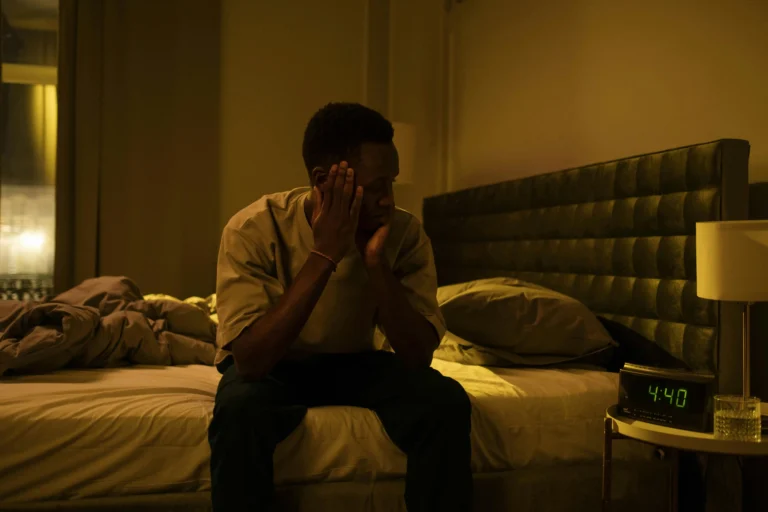
You’re going to the gym. You’re trying to eat well. You’re putting the effort in. But the results just don’t seem to match the work.
What if the missing piece isn’t your training plan or your diet… but your sleep?
For most people trying to lose fat, build muscle, or simply feel fitter and healthier, sleep is the quiet factor that determines whether your body adapts or struggles. Poor sleep doesn’t just make you tired. It slows recovery, weakens performance, increases cravings, and makes exercise feel harder than it should.
Let’s break down how sleep affects your fitness progress, and why getting it right can completely change your results.
Why Sleep Is One of the Biggest Factors in Fitness
Whether you lift weights, run, cycle, or take classes, your progress comes down to one thing: how well your body recovers between sessions.
Most of that recovery happens while you sleep, not while you train.
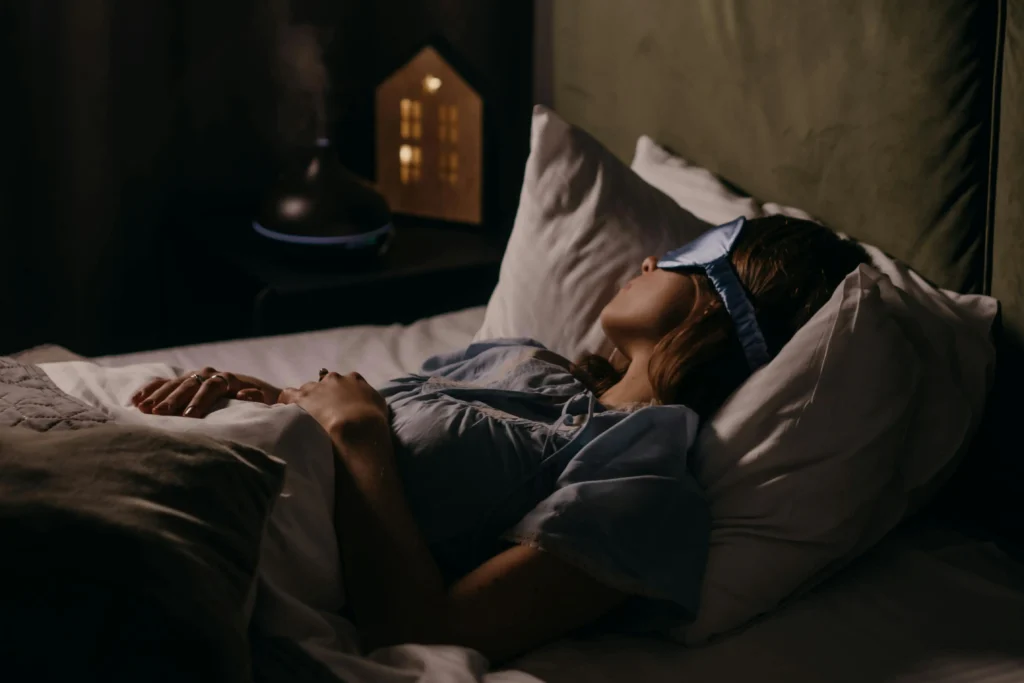
1. Sleep Drives Muscle Repair and Growth
During deep sleep, especially slow‑wave sleep (SWS), your body releases a surge of growth hormone, which fuels muscle repair, tissue recovery, and adaptation (1).
When you cut your sleep short, you cut off your body’s ability to repair the muscle you worked so hard to train.
Studies show that regularly sleeping under 6 hours per night:
- Slows muscle recovery
- Increases inflammation
- Elevates cortisol (a stress hormone that breaks down muscle)
- Impairs glucose metabolism, reducing exercise efficiency (2)
In simple terms: Poor sleep = slower recovery, more soreness, and less progress.
2. Sleep Makes Your Workouts Feel Easier (or Harder)
Even for everyday gym‑goers, sleep has a huge influence on how strong, coordinated, and energised you feel in the gym.
Research shows that just one night of poor sleep:
- Reduces strength performance
- Lowers endurance
- Increases perceived effort – meaning the same workout feels harder (3)
If you’ve ever dragged yourself through a workout after a bad night’s sleep, you know exactly how this feels.
3. Sleep Affects Motivation, Mood, and Consistency
Fitness success is built on showing up consistently, and sleep has a massive influence on your willingness to do that.
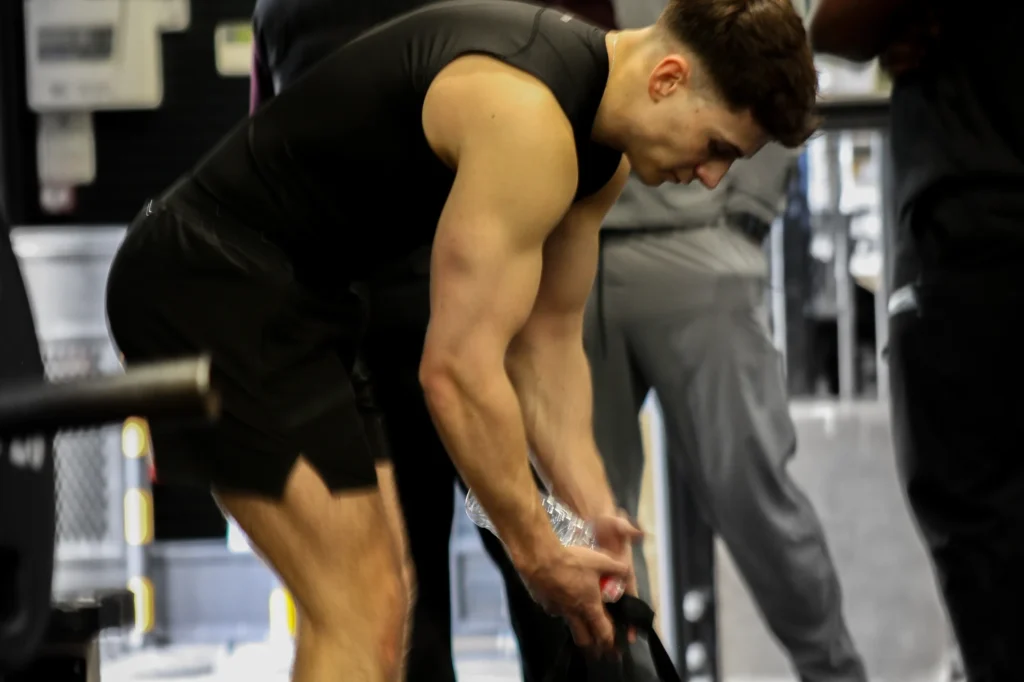
Poor sleep has been shown to reduce:
- Motivation
- Focus
- Emotional control
- Decision-making (4)
Even worse, sleep deprivation increases irritability and lowers your mental resilience. This makes it far easier to skip the gym, quit early, or grab high-calorie comfort foods.
For the average person with fitness goals, this is where progress often quietly falls apart.
4. Sleep Impacts Appetite, Cravings, and Fat Loss
If fat loss or body recomposition is your goal, sleep becomes even more important.
Short sleep disrupts hunger hormones:
- Ghrelin increases (hunger rises)
- Leptin decreases (fullness drops)
This hormonal shift makes you crave high‑calorie, high‑carb foods (5).
One study found that when people ate in a calorie deficit:
- Those who slept well lost 55% more fat
- Those who slept poorly lost more lean muscle instead (6)
Poor sleep can make fat loss feel impossible – even if your diet is on point.
How Sleep Quality Affects Recovery Between Training Sessions
Recovery isn’t just about rest days, it’s about what happens in the hours after you train. High-quality sleep plays a critical role in how well your body adapts between sessions, especially when training multiple times per week.
During deep sleep, the nervous system downshifts into a parasympathetic state, allowing muscles, connective tissue, and the central nervous system to recover. When sleep quality is poor, this recovery window is shortened, meaning fatigue accumulates faster and performance drops from session to session.
Over time, this can lead to stalled progress, increased injury risk, and a feeling that training is taking more out of you than it’s giving back – even if your programme and nutrition are solid.
Is Poor Sleep Holding Back Your Fitness Results?
If you’re somebody who constantly feels sore, struggles with motivation, gets cravings, has inconsistent workouts, or has simply hit a plateau in your progress, poor sleep could be the hidden issue.
The good news? Improving your sleep is one of the fastest, easiest, and most effective ways to accelerate your fitness progress.
And the best bit is, you don’t even need to train more or eat less.
How to Improve Your Sleep (and Your Fitness Progress)
Here are a few simple, evidence-backed steps:
1. Set a consistent sleep schedule
Your body thrives on routine. Aim for 7-9 hours per night.
2. Control your sleep environment
Darkness helps signal melatonin release. A sleep mask can help block out ambient light.
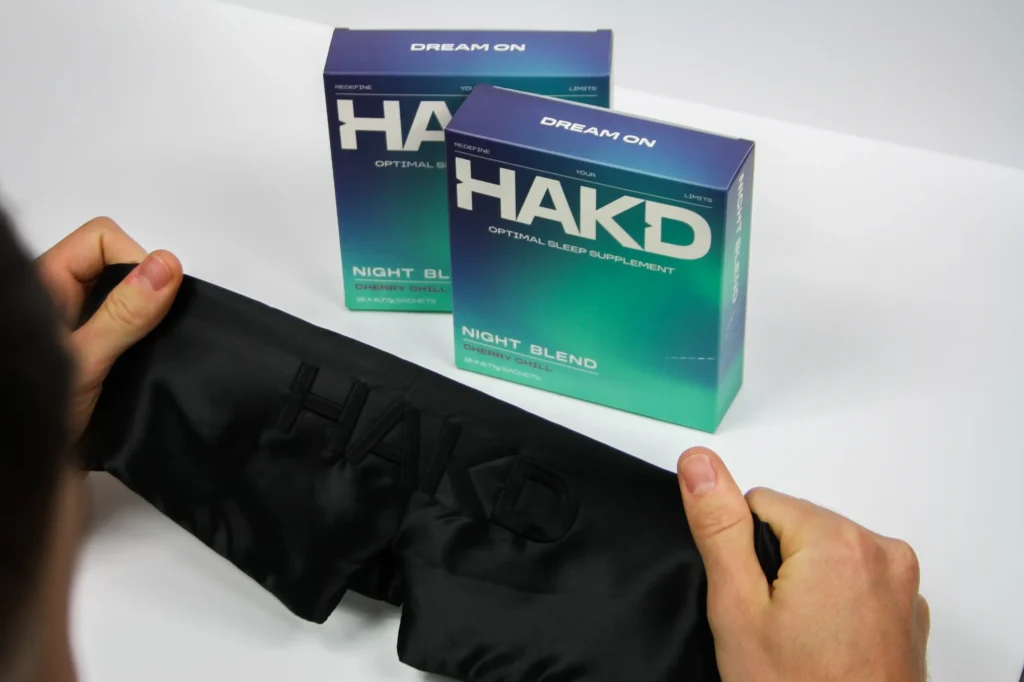
Check out the 22 momme, mulberry silk Deep Sleep Mask for complete darkness.
3. Reduce nighttime stimulation
Limit screens before bed, ideally within the last hour.
4. Support your sleep naturally (with Night Blend)
Night Blend combines fifteen natural active ingredients into one convenient, evidence-backed formula designed to support your sleep from multiple angles.
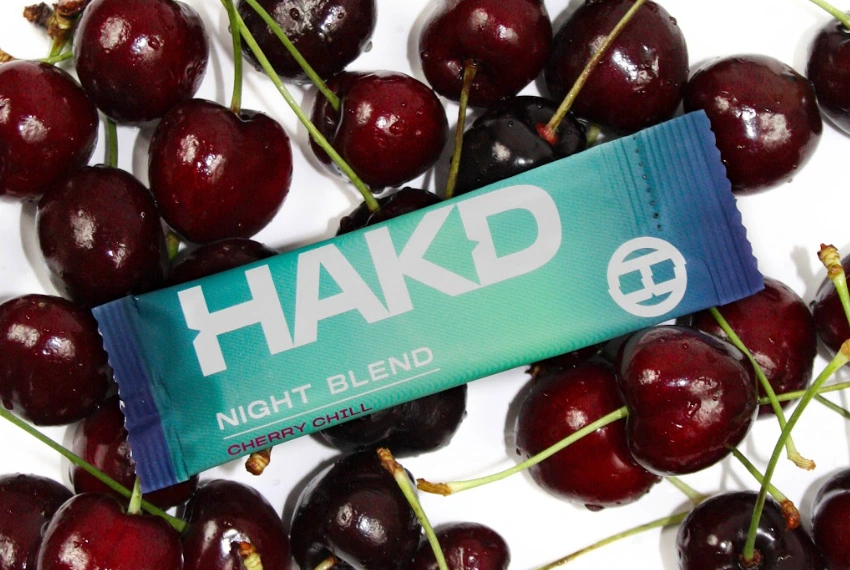
By calming the nervous system and regulating melatonin naturally, Night Blend helps you fall asleep faster, stay asleep longer, and wake up more refreshed – without grogginess.
Looking to improve your evening habits? Check out our guide to building a better nighttime routine.
Recovery Isn’t Optional
In summary, sleep isn’t a luxury. It’s a foundational part of your fitness journey.
For everyday gym‑goers trying to build muscle, lose fat, or simply feel healthier, quality sleep can accelerate results faster than almost anything else.
Better sleep means:
- Stronger workouts
- Faster recovery
- Fewer cravings
- Better consistency
- More visible progress
Fix your sleep, and you may finally unlock the results your training deserves.
References:
- 1. Filipas, L., et al. (2014). The impact of sleep on elite athlete performance and recovery: a review. Sports Medicine, 44(1), 25‑38.
- 2. Léger, D., et al. (2004). Sleep duration and health-related outcomes: JAMA. Journal of the American Medical Association, 291(7), 692‑698.
- 3. Kellmann, M., et al. (2014). Recovery and sleep in sport: current concepts and empirical evidence. Sports Medicine, 44(10), 1435‑1442.
- 4. Milewska, E., & Sikorski, K. (2013). Sleep and muscle recovery after exercise. In Muscle Recovery in Sport and Exercise (pp. 97‑112). Elsevier.
- 5. Spiegel, K., Tasali, E., Penev, P., & Van Cauter, E. (2004). Sleep debt: a new public health issue? Annals of Internal Medicine, 141(11), 756‑763.
- 6. Taheri, S., et al. (2010). Short sleep duration is associated with reduced leptin, elevated ghrelin, and increased body mass index. Annals of Internal Medicine, 153(7), 435‑443.
- 7. Mah, C. D., et al. (2011). The effects of sleep extension on athletic performance. Sleep, 34(7), 943‑950.