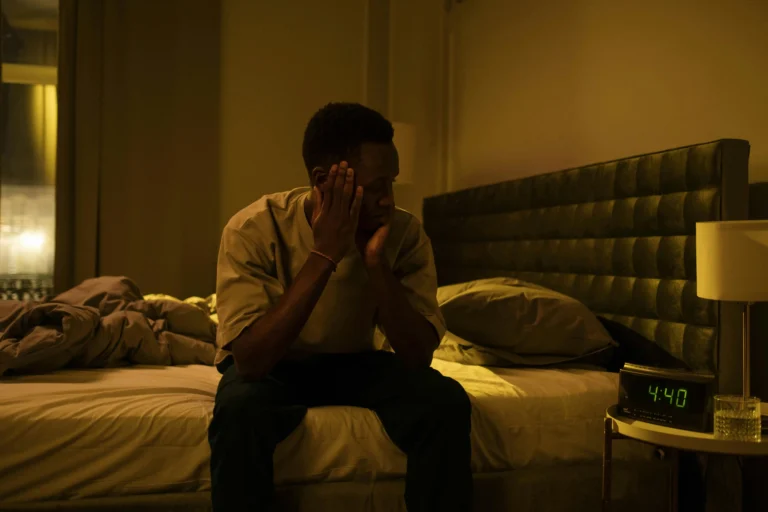
If you’ve ever had a few drinks and then found yourself wide awake at 3am, you’re not imagining it. There’s a very real physiological reason why you can’t sleep after drinking. (1)
Alcohol can make you feel sleepy at first, but it almost always disrupts sleep later in the night. You may fall asleep quickly, only to wake up restless, overheated, or unable to drift off again.
The good news is that alcohol-related sleep disruption is temporary. Once you understand what’s happening in your body, it becomes much easier to recover.
Why Alcohol Disrupts Sleep Later in the Night
Alcohol acts as a sedative initially, which is why many people fall asleep faster after drinking. It enhances calming brain activity and slows the nervous system.
But as your body metabolises alcohol, the opposite effect occurs. A rebound response increases alertness and stress hormones.
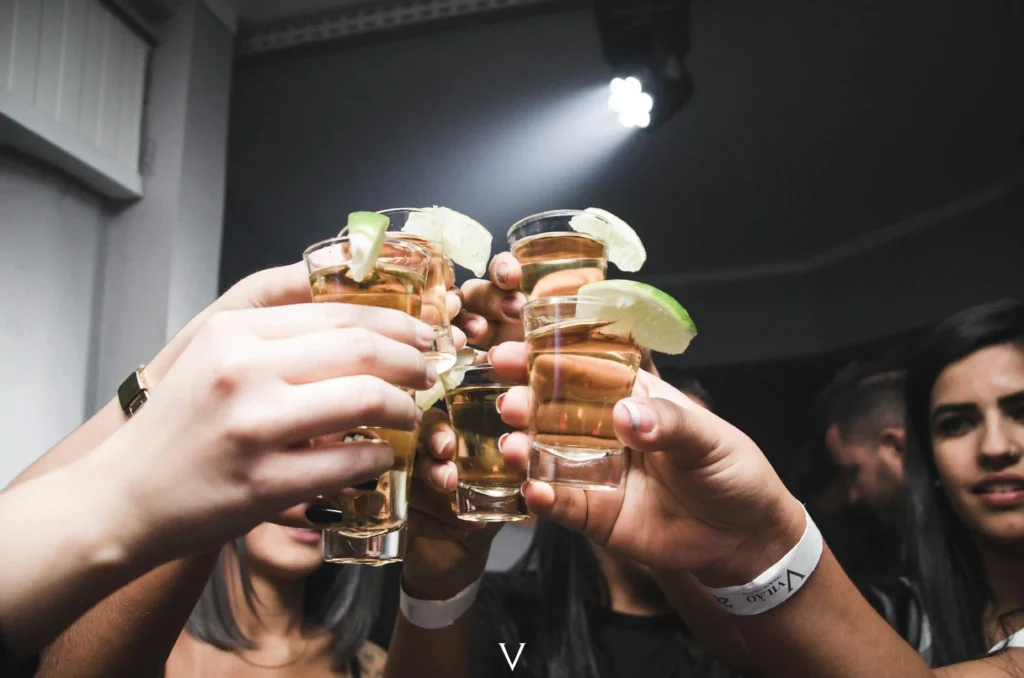
Alcohol can lead to:
- Elevated cortisol levels overnight
- Increased heart rate in the second half of sleep
- Dehydration and overheating
- Suppressed REM sleep
- More frequent awakenings
This is why sleep after drinking often looks like:
- Falling asleep easily
- Waking up at 3/4am
- Struggling to fall back asleep
- Feeling unrefreshed the next day
The Alcohol Sleep Timeline (What Happens Overnight)
Sleep disruption after drinking follows a predictable pattern.
Hours 0-2: The Sedation Phase
You may feel drowsy and fall asleep faster than usual. Early sleep can feel heavier, but this is sedation, not necessarily high-quality restorative sleep.
Hours 2-5: REM Sleep Suppression
Alcohol significantly reduces REM sleep, particularly in the first half of the night. (2) REM is essential for:
- Mental recovery
- Emotional regulation
- Memory processing
Even if total sleep time looks normal, reduced REM can leave you feeling groggy and flat the next day. (3)
Hours 5-8: The Rebound Wake-Up
As alcohol leaves your system, stress hormones rise. This is when many people experience:
- Sudden awakenings
- Night sweats
- A racing heart
- Difficulty falling back asleep
That classic “wide awake at 3am” feeling is often the rebound phase in action. (4)
How Long Does Alcohol Affect Sleep?
For most people:
- Moderate drinking disrupts sleep for one night
- Heavier drinking can affect sleep for two to three nights
- REM recovery may take several days
Research suggests that even a single evening of drinking can measurably reduce sleep quality, with low alcohol amounts linked to around a 9% reduction in sleep quality and higher amounts associated with declines of up to around 40% when compared to nights without alcohol. (5)
The key point is this: alcohol affects sleep depth more than sleep duration.
How to Sleep Better After Drinking Alcohol
You don’t need extreme hacks. Supporting your body’s natural reset is usually enough.
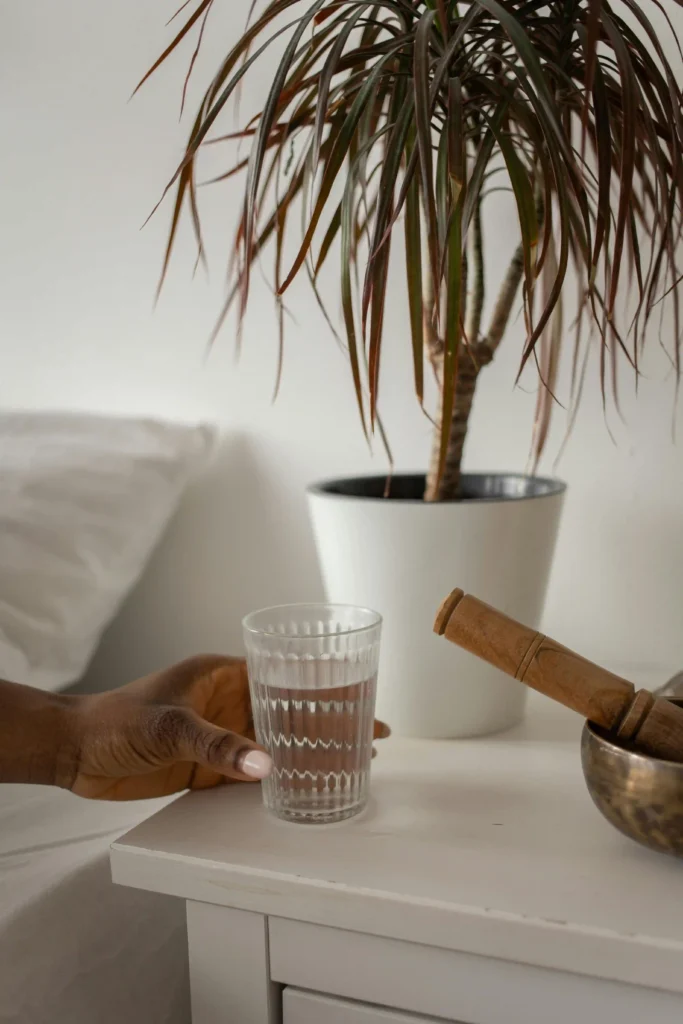
1. Hydrate Properly
Alcohol is dehydrating (6), which contributes to restlessness.
- Drink water before bed
- Consider adding electrolytes
- Avoid excessive fluids right before lying down
2. Eat a Light Snack
Alcohol can cause blood sugar drops overnight, triggering wake-ups.
Helpful options include:
- Banana with nut butter
- Greek yogurt
- Oats or honey in tea
3. Keep Your Room Cool and Dark
Alcohol disrupts temperature regulation, often leading to overheating.
A cooler room and total darkness can support deeper recovery sleep. A sleep mask can be especially useful on disrupted nights.
The HAKD Deep Sleep Mask helps create complete blackout conditions, supporting more stable sleep when your body is already stressed.
Supplements That Support Recovery Sleep
The goal is gentle nervous system support, not heavy sedation.
Evidence-backed options include:
- Magnesium for relaxation and muscle calm
- L-theanine for racing thoughts and rebound anxiety
- Apigenin and calming botanicals for natural relaxation
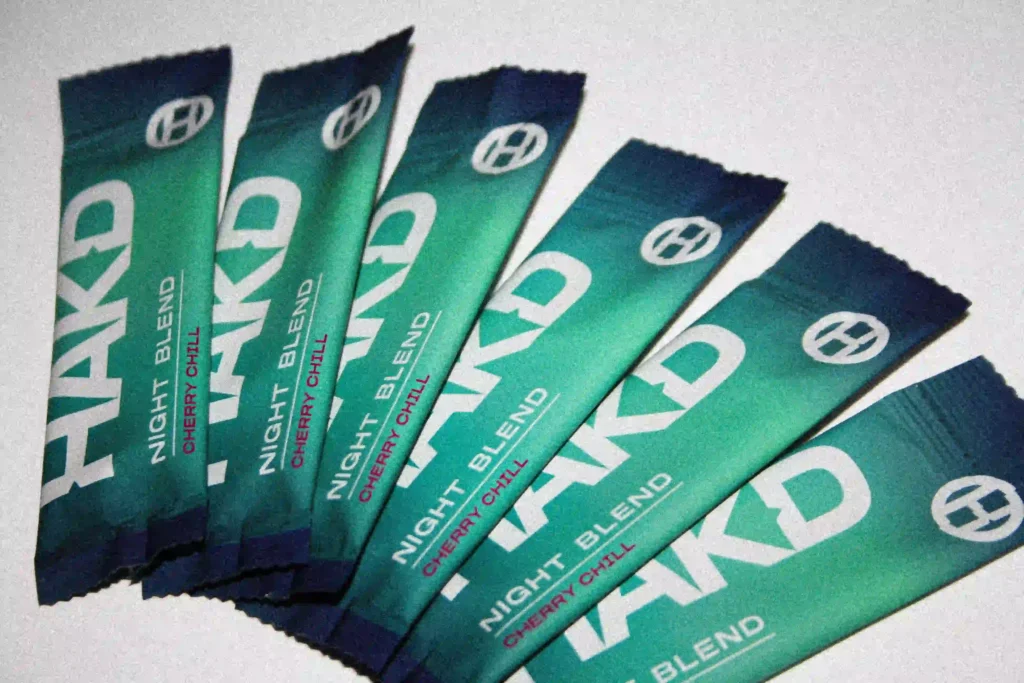
Instead of taking several individual supplements, a comprehensive blend can be simpler.
HAKD Health Night Blend combines fifteen active ingredients, including magnesium, L-theanine, calming botanicals and plenty more into one evening drink designed to support restorative sleep – especially on nights when alcohol has disrupted your normal rhythm.
How to Reset the Next Day
If you can’t sleep after drinking, focus on a clean recovery day.
- Get sunlight within 30 minutes of waking
- Hydrate early
- Do light movement (such as a walk or easy cardio)
- Limit caffeine after midday
- Keep your bedtime consistent
Most people bounce back quickly after one solid recovery night.
Alcohol-related insomnia is common, but it’s temporary and manageable with the right approach.
References:
- (1) Alcohol and Sleep. Sleep Foundation.
Sleep Foundation. Published online. Accessed February 2026.
https://www.sleepfoundation.org/nutrition/alcohol-and-sleep - (2) Ebrahim IO, Shapiro CM, Williams AJ, Fenwick PB. Alcohol and sleep I: effects on normal sleep. Alcohol Clin Exp Res. 2013;37(4):539–549.
PubMed. https://pubmed.ncbi.nlm.nih.gov/23347102/ - (3) Feinberg I, March J, Gillin JC, et al. Sleep EEG effects of alcohol in young adults: latency and intensity of alpha and delta waves. Electroencephalography and Clinical Neurophysiology. (Note: While this is a classic study, for your article we cited the Sleep Foundation summary.)
Sleep Foundation. https://www.sleepfoundation.org/nutrition/alcohol-and-sleep - (4) Brower KJ. Alcohol’s effects on sleep and the treatment of insomnia in alcoholics. NIAAA Alcohol Research & Health. 2001;25(2):110–125.
PMC. https://pmc.ncbi.nlm.nih.gov/articles/PMC4427543/ - (5) Arnedt JT. Can just one drink ruin your sleep? Baptist Health Blog. Published online. Accessed February 2026.
https://www.baptisthealth.com/blog/health-and-wellness/can-just-one-drink-ruin-sleep - (6) Ebrahim IO, Shapiro CM, Williams AJ, Fenwick PB. Alcohol and sleep II: effects on sleep disturbance. Alcohol Clin Exp Res. 2013;37(4):550–558.
PubMed. https://pubmed.ncbi.nlm.nih.gov/23347102/