
HAKD INSIGHTS

How Much Sleep Do You Really Need? The Science Explained

How much sleep do you need? The answer depends on age, lifestyle, and individual biology – and the science may surprise you…

A good night’s sleep is one of the cornerstones of our health, yet the popular “8 hours” rule might not be a universal truth. Research into how much sleep you need shows that the optimal amount varies by age, lifestyle, and individual biology (1)(6).

We’re here to break down the science behind sleep, what experts recommend, and how your needs change across your lifetime.
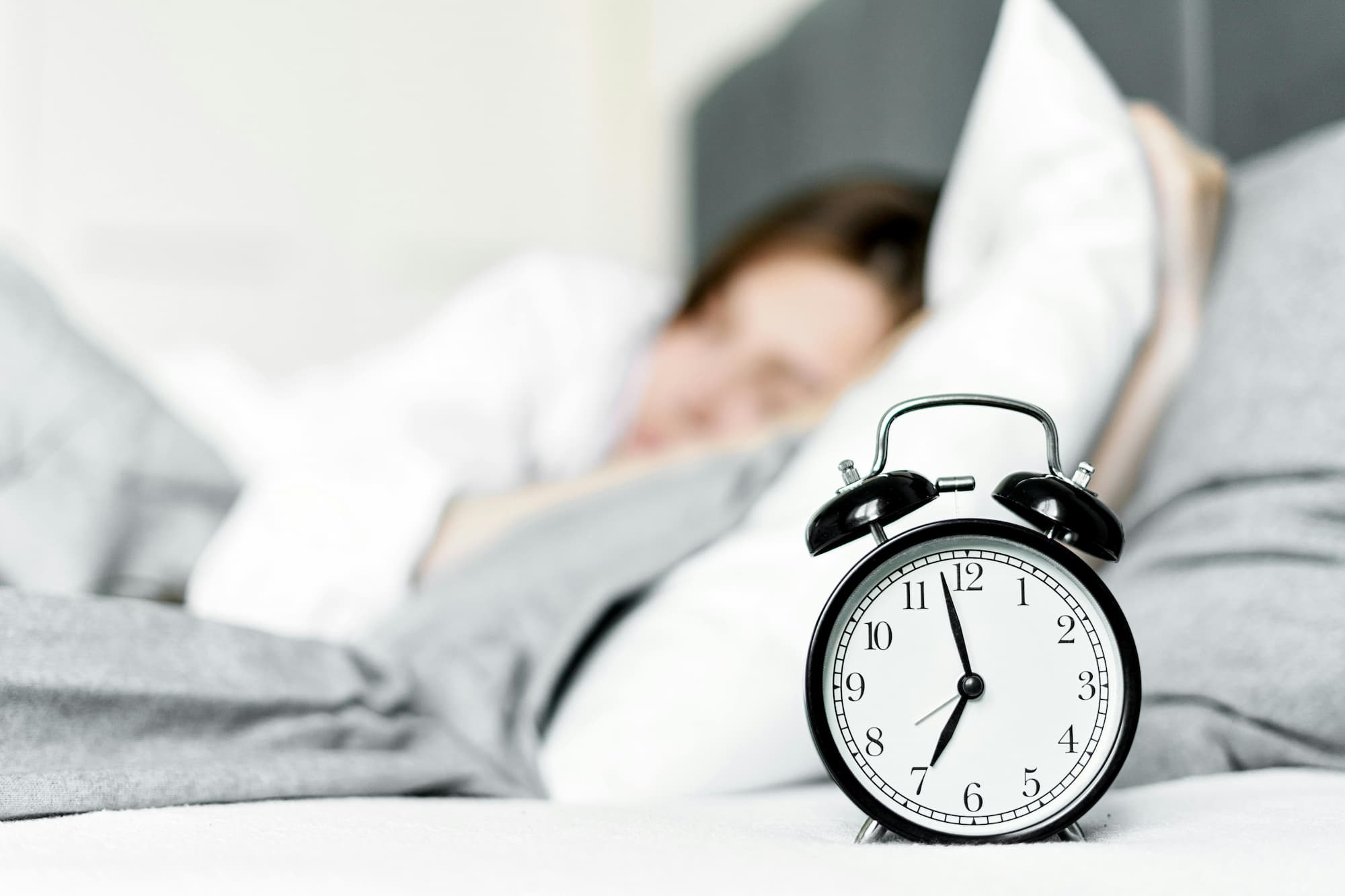
Classic alarm clock in focus with woman sleeping in the background, symbolising healthy sleep schedule and consistent bedtime routine.

The Biology Behind Sleep: Why Do We Need It?

Sleep isn’t simply about switching off for the night. It’s a highly active, carefully orchestrated biological process where your body and brain carry out essential maintenance, often more intensely than when you’re awake (4)(5).

During different sleep stages, critical processes occur:

  • NREM Sleep (Non-REM): Deep slow-wave sleep is critical for tissue repair, bolstering the immune system(2), and consolidating memories into long-term storage (5)(8).
  • REM Sleep (Rapid Eye Movement): This stage sharpens emotional regulation, boosts creativity, and helps your brain process and integrate new learning.

And the stakes are high. EEG studies show that a lack of adequate slow-wave or REM sleep doesn’t just leave you feeling foggy – it impairs both short- and long-term memory and elevates stress hormones (8).
Stressed Man

Meanwhile, a major 2022 review revealed that people who consistently sleep less than six hours a night face a 20% higher risk of cardiovascular events compared to those clocking 7-8 hours (3).

Simply put: sleep isn’t a passive state – it’s your body’s nightly tune-up for virtually every system, from your heart and hormones to your brain’s ability to learn, adapt, and stay resilient (4)(5).

How Much Sleep Do You Need by Age?

While the “8-hour rule” is widely cited, it’s actually a broad average. The National Sleep Foundation and CDC recommend that most adults aim for 7-9 hours per night, but this is a range, not a hard rule (6).

Sleep requirements change as we grow. Here’s a breakdown based on consolidated data from the National Sleep Foundation and American Academy of Sleep Medicine.

Age Group

Recommended Sleep

Newborns (0-3 months)

14-17 hours

Infants (4-11 months)

12-15 hours

Toddlers (1-2 years)

11-14 hours

Preschoolers (3-5)

10-13 hours

School-age (6-13)

9-11 hours

Teenagers (14-17)

8-10 hours

Young adults (18-25)

7-9 hours

Adults (26-64)

7-9 hours

Older adults (65+)

7-8 hours

Does Everyone Need the Same Amount of Sleep?

While age-based guidelines provide a useful starting point, sleep needs can vary significantly between individuals. Genetics, activity levels, stress, and overall health all influence how much sleep your body requires to function optimally.

Some people feel fully rested on the lower end of the recommended range, while others consistently need more sleep to maintain focus, mood, and physical performance. Importantly, there is little evidence to support the idea that most people can “train” themselves to thrive on less sleep long-term.

The most reliable indicator of whether you’re getting enough sleep isn’t the number on the clock – it’s how you feel during the day. Consistent energy levels, mental clarity, and stable mood are strong signs your sleep duration is meeting your individual needs.

Why Do Sleep Patterns Change With Age?

Young Adults (18-25)

While 7-9 hours is recommended, lifestyle factors mean roughly 35-40% get under 7 hours (1). Late nights, screen time, and academic or work demands all play a part.

Adults (26-64)

This group often sleeps the least. A global study revealed that adults average just 6 hours and 42 minutes a night. Work stress, parenting, and 24/7 digital connectivity contribute to widespread short sleep (7).

Older Adults (65+)

Older people may still need about 7-8 hours, but often struggle with more fragmented, lighter sleep. This can be due to changes in circadian rhythm, medical conditions, or medication side effects (1).

Tailor Your Sleep to Your Needs

Most adults thrive on 7-9 hours of sleep per night, but it’s important to remember that optimal sleep isn’t one-size-fits-all.

If you often wake up groggy, rely on caffeine to get through the day, or feel drowsy in quiet moments, it’s a clear sign your body needs more (5).
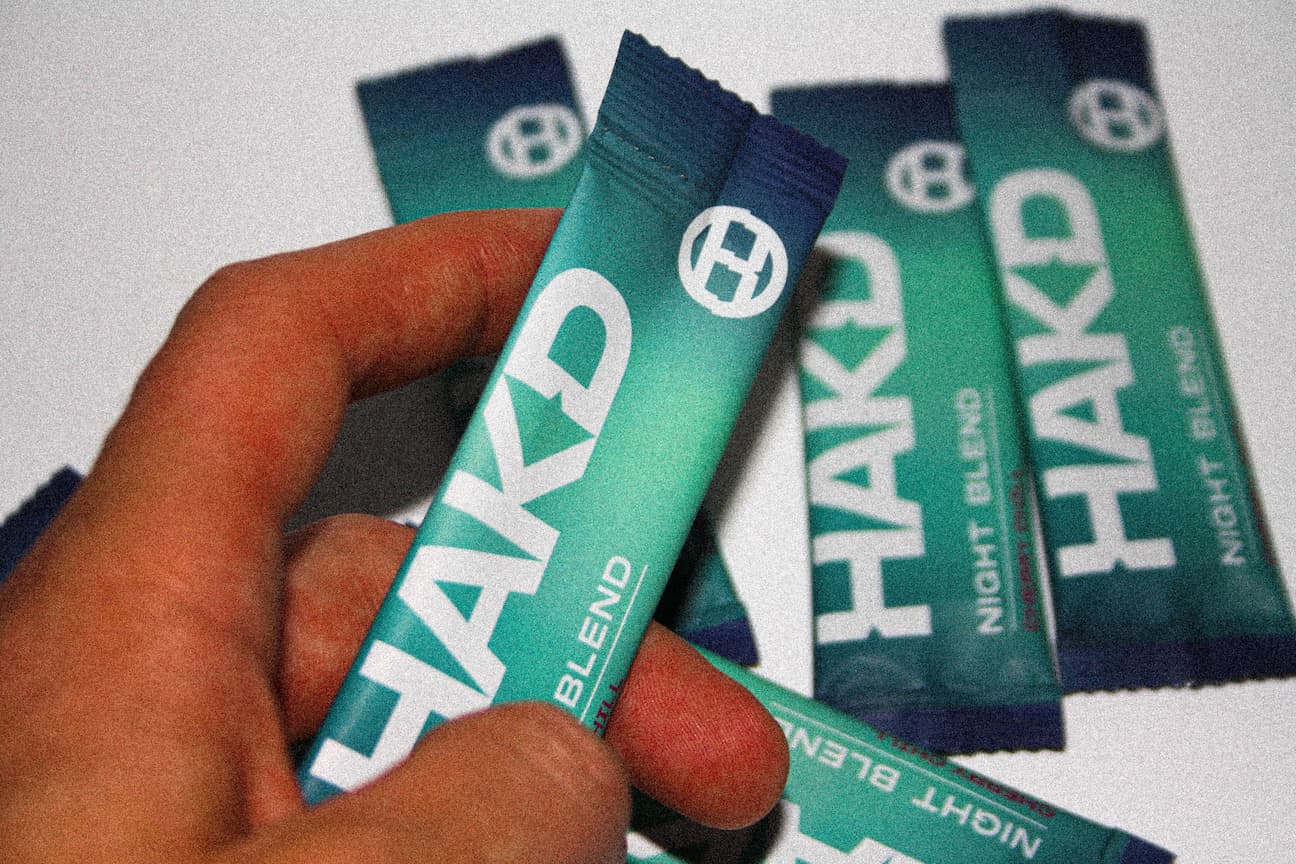
HAKD Health Night Blench Sachets

Practical ways to optimise your sleep:

  • Keep a steady schedule: Go to bed and wake up at the same time every day to train your internal clock.
  • Make your bedroom a sleep haven: Cool, dark, quiet spaces help you drift off faster.
  • Wind down properly: Try reading, light stretching, or deep breathing instead of screens.
  • Watch caffeine and alcohol: Both can throw off your sleep cycle if consumed too close to bedtime.
  • Natural Sleep Support: Give your body the extra help it needs with natural supplementation. Discover how HAKD Health’s Night Blend can enhance your sleep quality.


So, how much sleep do you need? Ultimately, the best approach is to listen to your body. Pay attention to how you feel on different amounts of sleep and adjust your habits to support the quality and quantity you need to truly function at your best.

References:

  • (1) Hirshkowitz, M., Whiton, K., Albert, S.M., Alessi, C., Bruni, O., DonCarlos, L., Hazen, N., Herman, J., Katz, E.S., Kheirandish-Gozal, L. and Neubauer, D.N., (2015). National Sleep Foundation’s sleep time duration recommendations: methodology and results summary. Sleep Health, 1(1), pp.40-43. https://doi.org/10.1016/j.sleh.2014.12.010
  • (2) Besedovsky, L., Lange, T. and Born, J., (2012). Sleep and immune function. Pflugers Archiv – European Journal of Physiology, 463(1), pp.121-137. https://doi.org/10.1007/s00424-011-1044-
  • (3) Wang, Y., Mei, H., Jiang, Y.R., Sun, W.Q., Song, Y.J., Liu, S.J. and Jiang, F., (2020). Long sleep duration and cardiovascular disease: a systematic review and meta-analysis of prospective cohort studies. Journal of Clinical Sleep Medicine, 16(2), pp.301-309. https://doi.org/10.5664/jcsm.8180
  • (4) Rasch, B. and Born, J., (2013). About sleep’s role in memory. Physiological Reviews, 93(2), pp.681-766. https://doi.org/10.1152/physrev.00032.2012
  • (5) Walker, M.P. and Stickgold, R., (2006). Sleep, memory, and plasticity. Annual Review of Psychology, 57, pp.139-166. https://doi.org/10.1146/annurev.psych.56.091103.070307
  • (6) Hirshkowitz, M., Whiton, K., Albert, S.M., Alessi, C., Bruni, O., DonCarlos, L., Hazen, N., Herman, J., Katz, E.S., Kheirandish-Gozal, L. and Neubauer, D.N., (2015). National Sleep Foundation’s sleep time duration recommendations: methodology and results summary. Sleep Health, 1(1), pp.40-43. https://doi.org/10.1016/j.sleh.2014.12.010
  • (7) Cappuccio, F.P., Cooper, D., D’Elia, L., Strazzullo, P. and Miller, M.A., (2011). Sleep duration predicts cardiovascular outcomes: a systematic review and meta-analysis of prospective studies. European Heart Journal, 32(12), pp.1484-1492. https://doi.org/10.1093/eurheartj/ehr007
  • (8) Diekelmann, S. and Born, J., (2010). The memory function of sleep. Nature Reviews Neuroscience, 11(2), pp.114-126. https://doi.org/10.1038/nrn2762


Road to HYROX: Founder Edition
Episode 11 - Inside a Pro’s Mind

What separates good from elite?

A call with HYROX pro @rioquarryfit breaks it down -
why recovery isn’t optional, it’s everything.
And why HRV is one of the most important metrics to track.

Because the best athletes don’t just train hard.
They know when to push… and when to recover.

Performance isn’t just built in effort.
It’s built in how well you manage recovery.

Weekly episodes.
Follow the journey.
...

52 2

Sleep Science // Fact or Fiction
Episode 4: Can you catch up on sleep on weekends?

Sleeping in can reduce some effects of sleep loss, like daytime sleepiness.

But it’s not a full reset.

Research shows many biological effects of sleep deprivation don’t fully recover, and irregular sleep schedules can disrupt your circadian rhythm (often called social jet lag).

The takeaway:
>Sleeping in helps a little.
>Consistent sleep helps a lot more.

HAKD
Sleep, explained.
...

9 0

The sleep upgrade you`ve been missing.

With Night Blend, we chose to go with a powder. Here’s why:

⚡ Quicker absorption - powders don’t need to be broken down like tablets or capsules. Nutrients get to work faster, so you feel the difference sooner.

🚫 Zero fillers, coatings, or colours - no unnecessary extras, just the good stuff.

✅ A formula that works with your body - every ingredient chosen to support deeper rest and sharper recovery.

Capsules = delay.
Powder = action.

Night Blend. Maximum impact.

hakdhealth.com
...

13 0

Road to HYROX: Founder Edition
Episode 10 - Recovery Day

Training pushes the body to its limit.
Recovery is where the progress actually happens.

After weeks of hard sessions, it’s time to reset.

→ Cryotherapy.
→ Compression boots.
→ Sports massage.

A full recovery session at @cryojuvenateuk to help the body bounce back and get ready for the next training block.

Then of course, the day wrapped up the right way - with Night Blend.

Weekly episodes.
Follow the journey.
...

35 3

How much sleep do you need? The answer depends on age, lifestyle, and individual biology – and the science may surprise you…

A good night’s sleep is one of the cornerstones of our health, yet the popular “8 hours” rule might not be a universal truth. Research into how much sleep you need shows that the optimal amount varies by age, lifestyle, and individual biology (1)(6).

We’re here to break down the science behind sleep, what experts recommend, and how your needs change across your lifetime.

Classic alarm clock in focus with woman sleeping in the background, symbolising healthy sleep schedule and consistent bedtime routine.

The Biology Behind Sleep: Why Do We Need It?

Sleep isn’t simply about switching off for the night. It’s a highly active, carefully orchestrated biological process where your body and brain carry out essential maintenance, often more intensely than when you’re awake (4)(5).

During different sleep stages, critical processes occur:

  • NREM Sleep (Non-REM): Deep slow-wave sleep is critical for tissue repair, bolstering the immune system(2), and consolidating memories into long-term storage (5)(8).
  • REM Sleep (Rapid Eye Movement): This stage sharpens emotional regulation, boosts creativity, and helps your brain process and integrate new learning.

And the stakes are high. EEG studies show that a lack of adequate slow-wave or REM sleep doesn’t just leave you feeling foggy – it impairs both short- and long-term memory and elevates stress hormones (8).

Stressed Man

Meanwhile, a major 2022 review revealed that people who consistently sleep less than six hours a night face a 20% higher risk of cardiovascular events compared to those clocking 7-8 hours (3).

Simply put: sleep isn’t a passive state – it’s your body’s nightly tune-up for virtually every system, from your heart and hormones to your brain’s ability to learn, adapt, and stay resilient (4)(5).

How Much Sleep Do You Need by Age?

While the “8-hour rule” is widely cited, it’s actually a broad average. The National Sleep Foundation and CDC recommend that most adults aim for 7-9 hours per night, but this is a range, not a hard rule (6).

Sleep requirements change as we grow. Here’s a breakdown based on consolidated data from the National Sleep Foundation and American Academy of Sleep Medicine.

Age Group

Recommended Sleep

Newborns (0-3 months)

14-17 hours

Infants (4-11 months)

12-15 hours

Toddlers (1-2 years)

11-14 hours

Preschoolers (3-5)

10-13 hours

School-age (6-13)

9-11 hours

Teenagers (14-17)

8-10 hours

Young adults (18-25)

7-9 hours

Adults (26-64)

7-9 hours

Older adults (65+)

7-8 hours

Does Everyone Need the Same Amount of Sleep?

While age-based guidelines provide a useful starting point, sleep needs can vary significantly between individuals. Genetics, activity levels, stress, and overall health all influence how much sleep your body requires to function optimally.

Some people feel fully rested on the lower end of the recommended range, while others consistently need more sleep to maintain focus, mood, and physical performance. Importantly, there is little evidence to support the idea that most people can “train” themselves to thrive on less sleep long-term.

The most reliable indicator of whether you’re getting enough sleep isn’t the number on the clock – it’s how you feel during the day. Consistent energy levels, mental clarity, and stable mood are strong signs your sleep duration is meeting your individual needs.

Why Do Sleep Patterns Change With Age?

Young Adults (18-25)

While 7-9 hours is recommended, lifestyle factors mean roughly 35-40% get under 7 hours (1). Late nights, screen time, and academic or work demands all play a part.

Adults (26-64)

This group often sleeps the least. A global study revealed that adults average just 6 hours and 42 minutes a night. Work stress, parenting, and 24/7 digital connectivity contribute to widespread short sleep (7).

Older Adults (65+)

Older people may still need about 7-8 hours, but often struggle with more fragmented, lighter sleep. This can be due to changes in circadian rhythm, medical conditions, or medication side effects (1).

Tailor Your Sleep to Your Needs

Most adults thrive on 7-9 hours of sleep per night, but it’s important to remember that optimal sleep isn’t one-size-fits-all.

If you often wake up groggy, rely on caffeine to get through the day, or feel drowsy in quiet moments, it’s a clear sign your body needs more (5).

HAKD Health Night Blench Sachets

Practical ways to optimise your sleep:

  • Keep a steady schedule: Go to bed and wake up at the same time every day to train your internal clock.
  • Make your bedroom a sleep haven: Cool, dark, quiet spaces help you drift off faster.
  • Wind down properly: Try reading, light stretching, or deep breathing instead of screens.
  • Watch caffeine and alcohol: Both can throw off your sleep cycle if consumed too close to bedtime.
  • Natural Sleep Support: Give your body the extra help it needs with natural supplementation. Discover how HAKD Health’s Night Blend can enhance your sleep quality.


So, how much sleep do you need? Ultimately, the best approach is to listen to your body. Pay attention to how you feel on different amounts of sleep and adjust your habits to support the quality and quantity you need to truly function at your best.

References:

  • (1) Hirshkowitz, M., Whiton, K., Albert, S.M., Alessi, C., Bruni, O., DonCarlos, L., Hazen, N., Herman, J., Katz, E.S., Kheirandish-Gozal, L. and Neubauer, D.N., (2015). National Sleep Foundation’s sleep time duration recommendations: methodology and results summary. Sleep Health, 1(1), pp.40-43. https://doi.org/10.1016/j.sleh.2014.12.010
  • (2) Besedovsky, L., Lange, T. and Born, J., (2012). Sleep and immune function. Pflugers Archiv – European Journal of Physiology, 463(1), pp.121-137. https://doi.org/10.1007/s00424-011-1044-
  • (3) Wang, Y., Mei, H., Jiang, Y.R., Sun, W.Q., Song, Y.J., Liu, S.J. and Jiang, F., (2020). Long sleep duration and cardiovascular disease: a systematic review and meta-analysis of prospective cohort studies. Journal of Clinical Sleep Medicine, 16(2), pp.301-309. https://doi.org/10.5664/jcsm.8180
  • (4) Rasch, B. and Born, J., (2013). About sleep’s role in memory. Physiological Reviews, 93(2), pp.681-766. https://doi.org/10.1152/physrev.00032.2012
  • (5) Walker, M.P. and Stickgold, R., (2006). Sleep, memory, and plasticity. Annual Review of Psychology, 57, pp.139-166. https://doi.org/10.1146/annurev.psych.56.091103.070307
  • (6) Hirshkowitz, M., Whiton, K., Albert, S.M., Alessi, C., Bruni, O., DonCarlos, L., Hazen, N., Herman, J., Katz, E.S., Kheirandish-Gozal, L. and Neubauer, D.N., (2015). National Sleep Foundation’s sleep time duration recommendations: methodology and results summary. Sleep Health, 1(1), pp.40-43. https://doi.org/10.1016/j.sleh.2014.12.010
  • (7) Cappuccio, F.P., Cooper, D., D’Elia, L., Strazzullo, P. and Miller, M.A., (2011). Sleep duration predicts cardiovascular outcomes: a systematic review and meta-analysis of prospective studies. European Heart Journal, 32(12), pp.1484-1492. https://doi.org/10.1093/eurheartj/ehr007
  • (8) Diekelmann, S. and Born, J., (2010). The memory function of sleep. Nature Reviews Neuroscience, 11(2), pp.114-126. https://doi.org/10.1038/nrn2762

How much sleep do you need? The answer depends on age, lifestyle, and individual biology – and the science may surprise you…

A good night’s sleep is one of the cornerstones of our health, yet the popular “8 hours” rule might not be a universal truth. Research into how much sleep you need shows that the optimal amount varies by age, lifestyle, and individual biology (1)(6).

We’re here to break down the science behind sleep, what experts recommend, and how your needs change across your lifetime.

Classic alarm clock in focus with woman sleeping in the background, symbolising healthy sleep schedule and consistent bedtime routine.

The Biology Behind Sleep: Why Do We Need It?

Sleep isn’t simply about switching off for the night. It’s a highly active, carefully orchestrated biological process where your body and brain carry out essential maintenance, often more intensely than when you’re awake (4)(5).

During different sleep stages, critical processes occur:

  • NREM Sleep (Non-REM): Deep slow-wave sleep is critical for tissue repair, bolstering the immune system(2), and consolidating memories into long-term storage (5)(8).
  • REM Sleep (Rapid Eye Movement): This stage sharpens emotional regulation, boosts creativity, and helps your brain process and integrate new learning.

And the stakes are high. EEG studies show that a lack of adequate slow-wave or REM sleep doesn’t just leave you feeling foggy – it impairs both short- and long-term memory and elevates stress hormones (8).

Stressed Man

Meanwhile, a major 2022 review revealed that people who consistently sleep less than six hours a night face a 20% higher risk of cardiovascular events compared to those clocking 7-8 hours (3).

Simply put: sleep isn’t a passive state – it’s your body’s nightly tune-up for virtually every system, from your heart and hormones to your brain’s ability to learn, adapt, and stay resilient (4)(5).

How Much Sleep Do You Need by Age?

While the “8-hour rule” is widely cited, it’s actually a broad average. The National Sleep Foundation and CDC recommend that most adults aim for 7-9 hours per night, but this is a range, not a hard rule (6).

Sleep requirements change as we grow. Here’s a breakdown based on consolidated data from the National Sleep Foundation and American Academy of Sleep Medicine.

Age Group

Recommended Sleep

Newborns (0-3 months)

14-17 hours

Infants (4-11 months)

12-15 hours

Toddlers (1-2 years)

11-14 hours

Preschoolers (3-5)

10-13 hours

School-age (6-13)

9-11 hours

Teenagers (14-17)

8-10 hours

Young adults (18-25)

7-9 hours

Adults (26-64)

7-9 hours

Older adults (65+)

7-8 hours

Does Everyone Need the Same Amount of Sleep?

While age-based guidelines provide a useful starting point, sleep needs can vary significantly between individuals. Genetics, activity levels, stress, and overall health all influence how much sleep your body requires to function optimally.

Some people feel fully rested on the lower end of the recommended range, while others consistently need more sleep to maintain focus, mood, and physical performance. Importantly, there is little evidence to support the idea that most people can “train” themselves to thrive on less sleep long-term.

The most reliable indicator of whether you’re getting enough sleep isn’t the number on the clock – it’s how you feel during the day. Consistent energy levels, mental clarity, and stable mood are strong signs your sleep duration is meeting your individual needs.

Why Do Sleep Patterns Change With Age?

Young Adults (18-25)

While 7-9 hours is recommended, lifestyle factors mean roughly 35-40% get under 7 hours (1). Late nights, screen time, and academic or work demands all play a part.

Adults (26-64)

This group often sleeps the least. A global study revealed that adults average just 6 hours and 42 minutes a night. Work stress, parenting, and 24/7 digital connectivity contribute to widespread short sleep (7).

Older Adults (65+)

Older people may still need about 7-8 hours, but often struggle with more fragmented, lighter sleep. This can be due to changes in circadian rhythm, medical conditions, or medication side effects (1).

Tailor Your Sleep to Your Needs

Most adults thrive on 7-9 hours of sleep per night, but it’s important to remember that optimal sleep isn’t one-size-fits-all.

If you often wake up groggy, rely on caffeine to get through the day, or feel drowsy in quiet moments, it’s a clear sign your body needs more (5).

HAKD Health Night Blench Sachets

Practical ways to optimise your sleep:

  • Keep a steady schedule: Go to bed and wake up at the same time every day to train your internal clock.
  • Make your bedroom a sleep haven: Cool, dark, quiet spaces help you drift off faster.
  • Wind down properly: Try reading, light stretching, or deep breathing instead of screens.
  • Watch caffeine and alcohol: Both can throw off your sleep cycle if consumed too close to bedtime.
  • Natural Sleep Support: Give your body the extra help it needs with natural supplementation. Discover how HAKD Health’s Night Blend can enhance your sleep quality.


So, how much sleep do you need? Ultimately, the best approach is to listen to your body. Pay attention to how you feel on different amounts of sleep and adjust your habits to support the quality and quantity you need to truly function at your best.

References:

  • (1) Hirshkowitz, M., Whiton, K., Albert, S.M., Alessi, C., Bruni, O., DonCarlos, L., Hazen, N., Herman, J., Katz, E.S., Kheirandish-Gozal, L. and Neubauer, D.N., (2015). National Sleep Foundation’s sleep time duration recommendations: methodology and results summary. Sleep Health, 1(1), pp.40-43. https://doi.org/10.1016/j.sleh.2014.12.010
  • (2) Besedovsky, L., Lange, T. and Born, J., (2012). Sleep and immune function. Pflugers Archiv – European Journal of Physiology, 463(1), pp.121-137. https://doi.org/10.1007/s00424-011-1044-
  • (3) Wang, Y., Mei, H., Jiang, Y.R., Sun, W.Q., Song, Y.J., Liu, S.J. and Jiang, F., (2020). Long sleep duration and cardiovascular disease: a systematic review and meta-analysis of prospective cohort studies. Journal of Clinical Sleep Medicine, 16(2), pp.301-309. https://doi.org/10.5664/jcsm.8180
  • (4) Rasch, B. and Born, J., (2013). About sleep’s role in memory. Physiological Reviews, 93(2), pp.681-766. https://doi.org/10.1152/physrev.00032.2012
  • (5) Walker, M.P. and Stickgold, R., (2006). Sleep, memory, and plasticity. Annual Review of Psychology, 57, pp.139-166. https://doi.org/10.1146/annurev.psych.56.091103.070307
  • (6) Hirshkowitz, M., Whiton, K., Albert, S.M., Alessi, C., Bruni, O., DonCarlos, L., Hazen, N., Herman, J., Katz, E.S., Kheirandish-Gozal, L. and Neubauer, D.N., (2015). National Sleep Foundation’s sleep time duration recommendations: methodology and results summary. Sleep Health, 1(1), pp.40-43. https://doi.org/10.1016/j.sleh.2014.12.010
  • (7) Cappuccio, F.P., Cooper, D., D’Elia, L., Strazzullo, P. and Miller, M.A., (2011). Sleep duration predicts cardiovascular outcomes: a systematic review and meta-analysis of prospective studies. European Heart Journal, 32(12), pp.1484-1492. https://doi.org/10.1093/eurheartj/ehr007
  • (8) Diekelmann, S. and Born, J., (2010). The memory function of sleep. Nature Reviews Neuroscience, 11(2), pp.114-126. https://doi.org/10.1038/nrn2762